CSIA Certified Technicians
Highest standard of training.

Home > Services > Flashing
Flashing
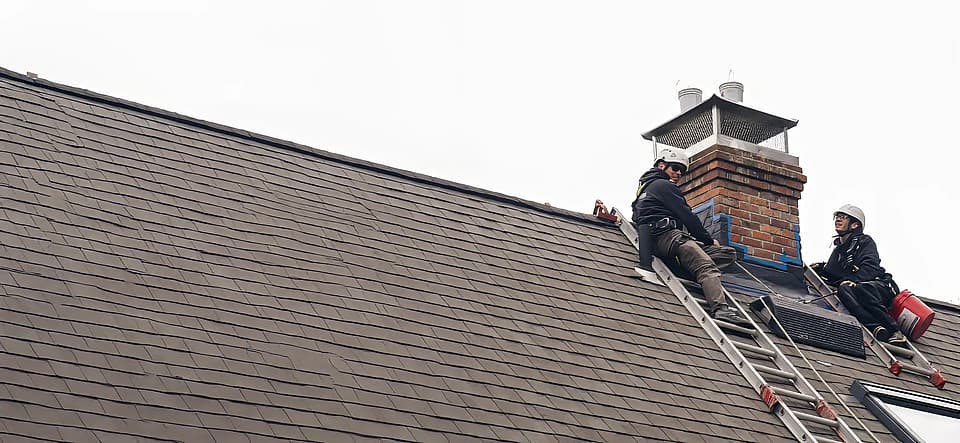
Where your chimney passes through the roof, there's a gap that has to be sealed against rain and snowmelt. That's the job of chimney flashing, layers of metal that overlap the roofing and masonry to direct water away from the opening. Brickliners inspects, repairs, and reseals flashing for homeowners in Burlington, Colchester, Fairfax, Essex Junction, and nearby communities, stopping leaks at one of the home's most vulnerable joints.
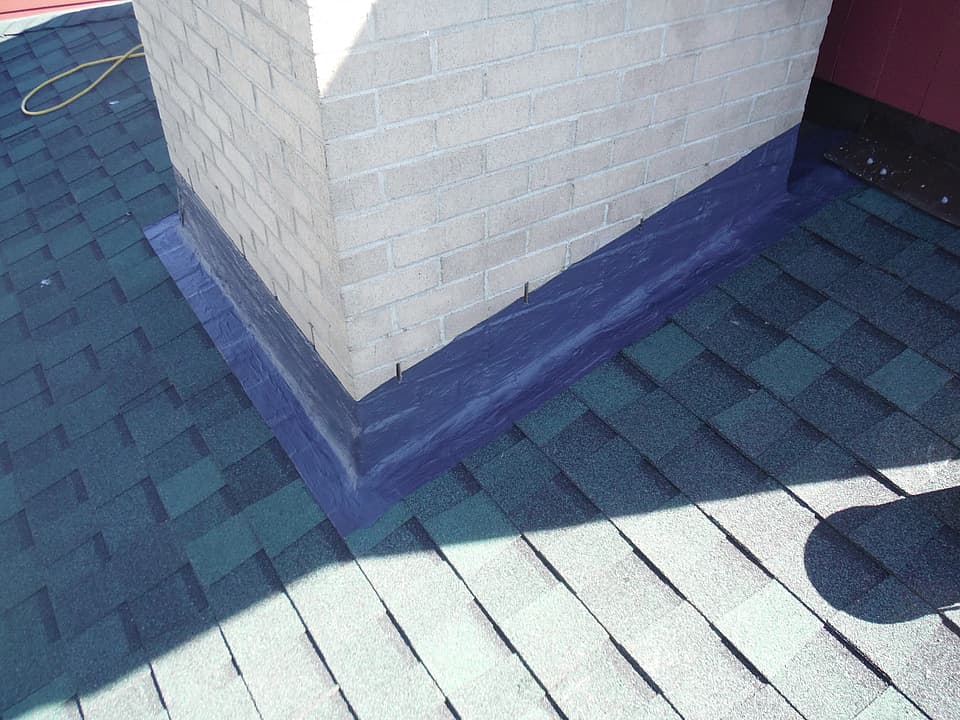
A flashing repair or replacement, paired with a thorough look at the crown and masonry, gives you a clearer picture of how water is getting in, and a plan to keep it out. Related work often includes leaky chimney repair and waterproofing.
Symptom Check
Chimney flashing seals the joint where your chimney passes through the roof, making it one of the most common leak points on any home. When flashing rusts, loosens, or pulls away from the masonry, water slips behind it and runs along rafters, decking, and framing. As a result, a flashing leak can appear several feet from the chimney.
The clearest clues usually show up in the attic or on ceilings and walls right around the chimney, while leaks that start at the crown or cap tend to show up inside the firebox. Brickliners' CSIA-certified technicians serve homeowners throughout the region, and we trace every leak to its true source before recommending a repair.
Brown or yellow spots on the ceiling where the chimney meets the roofline often point to failing flashing.
Dark streaks, soft spots, or moisture on rafters and roof decking beside the chimney show water is getting past the seal.
Water that appears only in hard, sideways rain or during snowmelt often means it's being forced under loose flashing.
Rust on the metal weakens the flashing over time and eventually opens holes or gaps.
Sections that have pulled away from the masonry or roof leave an opening for water, often after storms, settling, or animal damage.
Dried, shrinking, or crumbling sealant along the top edge of the flashing lets water seep behind it.
Curling, missing, or rotting shingles near the chimney suggest water has been collecting at the joint.
A persistent damp smell or mold near the chimney signals ongoing moisture from a slow leak.
Bubbling paint, swollen drywall, or warped trim on walls beside the chimney often means water is traveling down from the roofline.
Failure Triggers
Chimney flashing has a demanding job. It seals the joint where two very different materials meet: a rigid masonry chimney and a roof that shifts, expands, and contracts with the weather.
Regional snow, ice, and constant temperature swings add even more stress to that seam. Once flashing starts to fail, water slips behind it and soaks into the surrounding brick, which is why flashing repair and chimney waterproofing often go hand in hand. Brickliners' CSIA-certified technicians identify what caused the failure before recommending a fix, so the new seal holds up for years instead of a single season.
Flashing installed as a single layer, cut too short, or attached without proper overlaps often leaks from the start.
Moisture gradually eats through metal flashing, opening pinholes and gaps along the roofline.
Caulk and low-grade sealants shrink, crack, and pull away from the masonry as they age, letting water seep behind the flashing.
As a home shifts over time, the chimney and roof can move independently, tearing or loosening the flashing between them.
Snowmelt that refreezes around the chimney pries at seams and forces water under the metal.
Squirrels, raccoons, and birds can bend, lift, or chew at flashing edges while trying to reach the chimney or attic.
How it works
 01
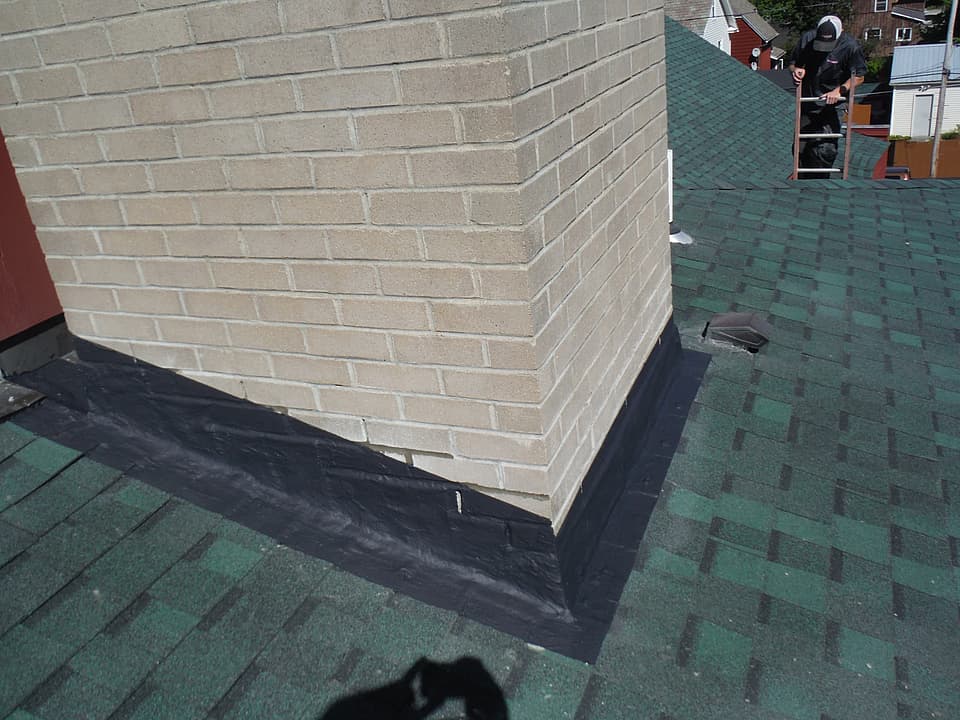
We evaluate cricket installations, step flashing, and counter flashing connections, tracing interior water stains directly to specific exterior roofline failures.
 02
We strip away failed materials and weave new flashing into existing roofing and brickwork, successfully channeling water away from the chimney base.
 03
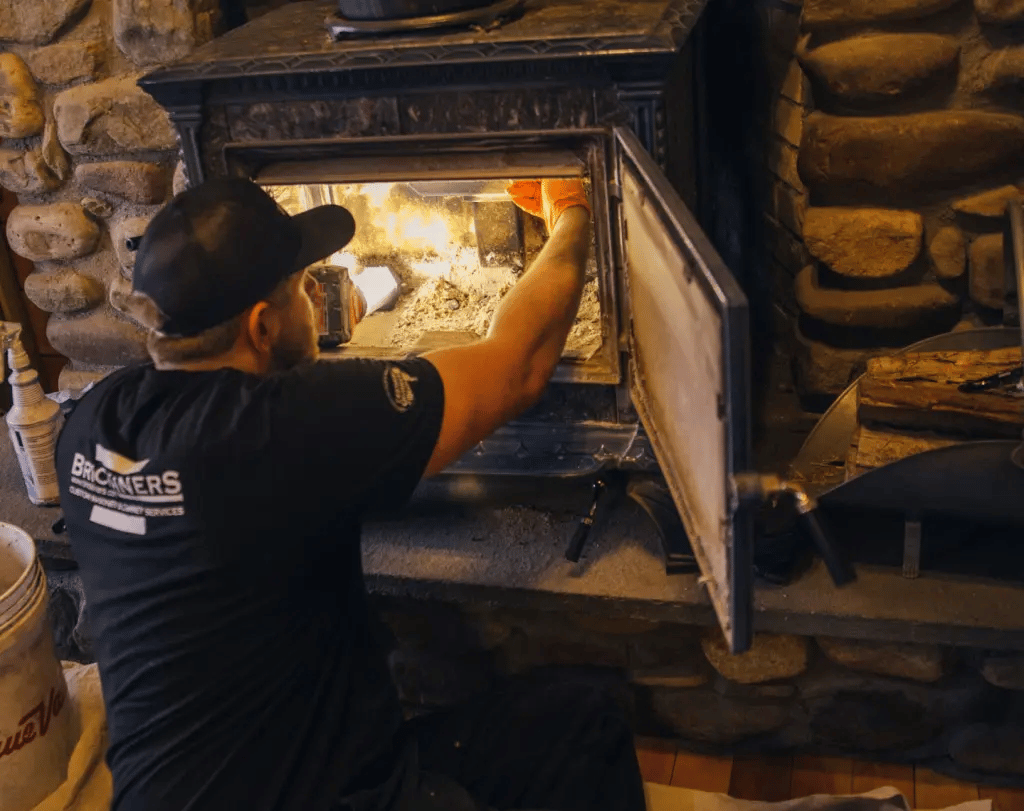
We highlight connected concerns like failing caps, cracked crowns, or mortar decay, coordinating chimney inspections and sweeping alongside exterior roof repairs.
Schedule an on-site evaluation or request a Virtual Chimney Assessment for photo insights, giving you a clear starting point before on-site chimney inspections.
Call or request an appointment online; we'll find a time that works for your roof access.
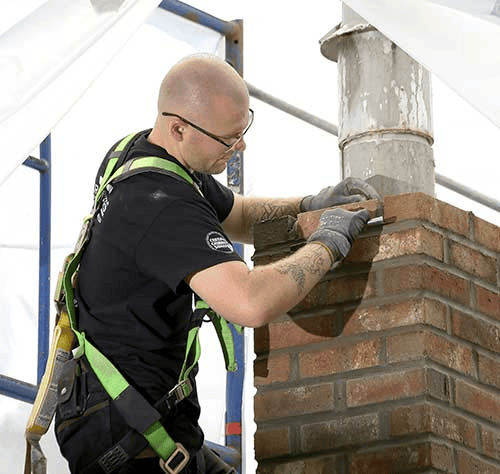
A CSIA-certified technician evaluates flashing, masonry, and related leak points with photos.
Receive honest inspection reports and itemized repair options without high pressure sales tactics.
Good to know
The lifespan of chimney flashing depends on the material, the quality of the installation, and how much weather it faces. Properly installed metal flashing can protect the roofline joint for many years, while flashing held in place mainly by caulk often starts leaking far sooner. At Brickliners, we find that a few factors make the biggest difference:
Our CSIA-certified technicians check your flashing during every inspection, so worn sealant or loose metal gets fixed before it causes a leak.
Caulk is one of the most common chimney flashing repairs we see, and one of the shortest-lived. Standard caulk dries out, shrinks, and pulls away from masonry as the chimney and roof expand and contract with temperature swings. Northern Vermont's freeze-thaw cycles speed up that process. Once a gap forms, water slips behind the flashing again, often with no visible sign inside your home. Heavy layers of caulk or roofing tar can also hide rust, loose metal, or a missing layer of flashing, so the real problem keeps getting worse underneath.
Brickliners takes a different approach. Our CSIA-certified technicians first make sure the flashing itself is sound and correctly installed, and we repair or replace sections as needed. Then we apply an elastomeric flashing sealant that stays flexible as your home moves, backed by a 7-year warranty. It gives you a lasting seal instead of a stopgap.
A cricket, sometimes called a saddle, is a small peaked structure built on the uphill side of a chimney. It splits the flow of rain and snowmelt so water runs around the chimney instead of pooling against it. Whether your chimney needs one depends mostly on its width and where it sits on the roof.
When a cricket is typically required:
When flashing alone may be enough:
If a chimney needs a cricket and doesn't have one, standing water and ice put constant pressure on the back flashing, which is where many leaks begin. Brickliners' CSIA-certified technicians check how water drains around your chimney during every flashing inspection and will tell you if a cricket should be part of the fix.
Failing chimney flashing is one of the most common causes of ceiling stains we find during leak inspections. When the seal at the roofline opens up, water slips behind the metal and travels along rafters, decking, and drywall before it shows up. That means the stain doesn't always appear right next to the chimney.
Stains can also come from a cracked crown, a missing cap, porous masonry, or the roof itself. That's why Brickliners' CSIA-certified technicians find the source before repairing anything, so you only pay to fix the part that's actually leaking.
Brickliners recommends having your chimney flashing inspected at least once a year, ideally during your annual chimney inspection. Flashing sits on the roof where most homeowners can't see it well, and small gaps or rust spots often form long before a stain appears inside. During each visit, our CSIA-certified technicians check the metal, the sealant, and the surrounding shingles, along with the crown, cap, and masonry.
Schedule an extra inspection:
Expect closer attention if:
Catching wear early keeps the repair small and affordable.
A flashing leak rarely stays small. Every rainstorm and snowmelt pushes more water behind the metal, and it spreads into places that are hard to see and expensive to repair. At first, the damage may be limited to damp roof decking and a faint ceiling stain. Over time, that moisture rots rafters and sheathing, soaks insulation, and leads to mold in the attic and walls.
The chimney suffers too. Water that gets behind flashing soaks into the surrounding brick, where Vermont's freeze-thaw cycles crack mortar joints and cause spalling. Rust also spreads across the flashing itself, opening larger gaps each year. A job that could have been a simple reseal can grow into roof decking replacement, drywall repair, and masonry work. Brickliners recommends calling at the first sign of a roofline leak so our CSIA-certified technicians can restore the seal while the fix is still simple.
Why Us
We deliver peace of mind with every visit.
Highest standard of training.
Trusted across three states.
No surprises, no upselling.
Seeing what you can't.
Treating your home like ours.
20+
Years serving the Northeast
3
States: VT, NH & ME
CSIA
Certified technicians
2006
Family-owned since
Testimonials
"Very happy with the service from Brickliners. From the masonry work to the final cap and flashing. Everything was done in a professional manner. Would recommend highly ,"
Mark J., Google
"I recently had some masonry work done to address a leak around my chimney, and I couldn't be more pleased with the service. Holden came out to quote the work, and Luke and his team did the actual repairs. They found that some of the brick needed repointing, the crown needed replacement, and the tiles for my boiler were broken, necessitating a liner. They also discovered that the flashing/seal around the chimney had deteriorated and needed to be resealed. The crew completed all the work quickly and professionally. Although the weather got too cold for the sealant, they patched up what they could and assured me they would return in the spring when temperatures are warmer to finish the job. They were very friendly and followed OSHA safety protocols, which shows they care about their workers and pay attention to details. While the pricing seemed expensive, I believe it is justified by the quality of the work and the warranty provided. They also offered a one-year same-as-cash financing option, which was very helpful. Overall, I highly recommend their services for anyone needing masonry or chimney work,"
Thomas H., Google
"Great experience with Brickliners for a recent chimney sweep! Sean was very thorough, gave me a helpful summary, and offered a number of follow up services they can provide for a wood stove replacement and chimney flashing repairs. Would definitely recommend them!"
Sarah G., Google
Accreditation


Coverage
We install and repair chimney flashing across Vermont, Maine, and New Hampshire, serving Burlington, South Burlington, Shelburne, Colchester, Jericho, Charlotte, Essex Junction, Fairfax, Hinesburg, Underhill, and more. The same crews handle chimney sweeping and leaky chimney repair when water is already getting behind the masonry.
Grand Isle County
Chittenden County
Lamoille County
Caledonia County
Addison County
Burlington, VT: (802) 872-0123
Cumberland County
Sagadahoc County
Androscoggin County
Lincoln County
Knox County
York County
Portland, ME: (207) 572-1071
Coös County
Grafton County
Carroll County
Sullivan County
Merrimack County
Belknap County
Littleton, NH: (833) 439-3288
Insights
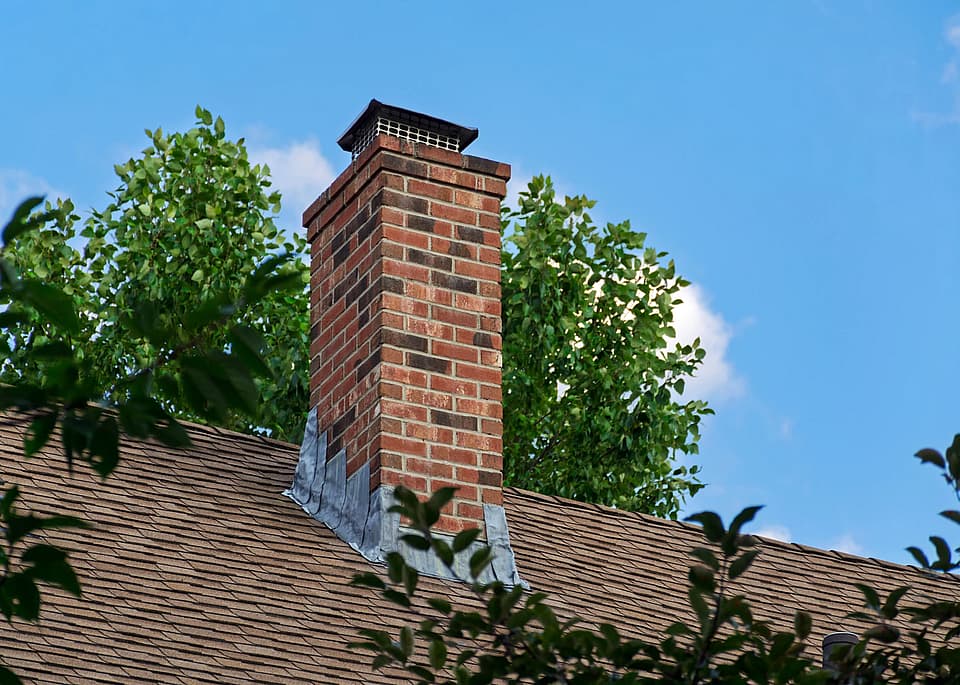
Learn why chimney flashing is essential to prevent leaks and structural damage.
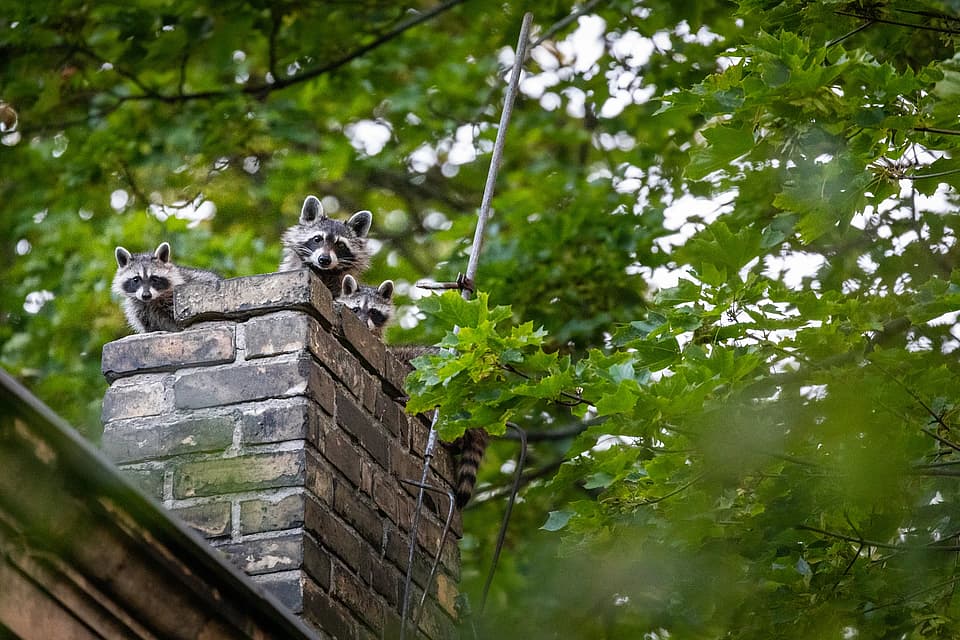
Chimney odors can signal problems. Learn what they mean and how to fix them.
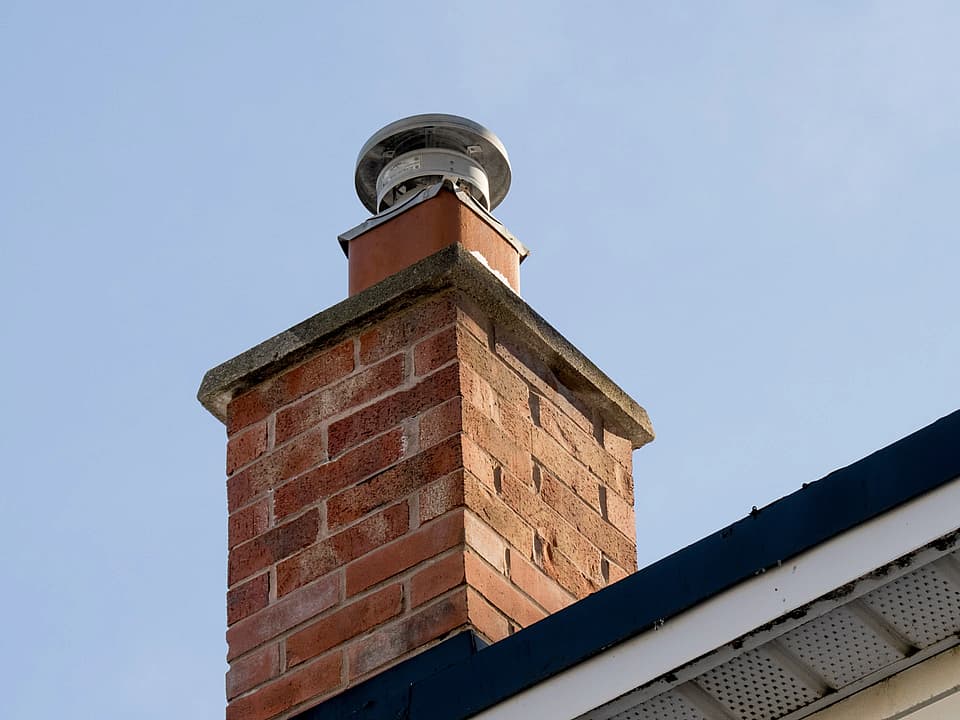
Discover key signs it's time to call a chimney sweep. Learn how to protect your home from smoke, creosote, odors, and chimney damage.
Contact Our Team
Caulk cracks. Tar wears away. Neither keeps water out for long. Brickliners repairs chimney flashing the right way, fixing damaged metal and sealing it with a flexible elastomeric product built to move with your home. Our CSIA-certified technicians serve Burlington, Colchester, Fairfax, Essex Junction, and nearby communities. Schedule your flashing repair today.
Compromised flashing is one of the leading causes of chimney leaks for local homeowners. Our leaky chimney repair services keep that covered from the top down with chimney caps.