CSIA Certified Technicians
Highest standard of training.

Home > Services > Chimney Liners
Chimney Liners
Many chimneys in Winooski, Charlotte, and Hinesburg were built decades ago with clay tile liners, and years of Vermont freeze-thaw cycles have left plenty of them cracked or separated. Brickliners specializes in chimney relining for older homes throughout South Burlington, Jericho, Colchester, and surrounding towns. Whether your chimney calls for stainless steel, cast-in-place, or new clay tile, our CSIA-certified technicians match the liner to your system.
Based on detailed camera inspection results, we recommend targeted repairs, HeatShield® resurfacing, or a new liner matching your exact system needs. Necessary masonry repairs can be addressed at the same time.
System Essentials
A chimney liner is the protective channel running up the inside of your chimney, separating the fire's heat and exhaust from the surrounding brick, mortar, and nearby framing. Many older homes in South Burlington, Charlotte, Jericho, Hinesburg, Colchester, and Winooski were built with clay tile liners, which can crack and separate after years of heat and local freeze-thaw cycles.
Some historic chimneys have no liner at all. When a liner fails, chimney relining with stainless steel, aluminum, cast-in-place, or new clay tile restores its protection. When the damage is moderate, HeatShield® resurfacing is often an effective alternative. Brickliners' CSIA-certified technicians inspect your flue first and recommend the right option for your chimney.
The liner keeps intense heat from reaching brick and mortar, preventing cracking and deterioration.
A sound liner stops heat from transferring to framing and other combustible materials next to the chimney.
It contains smoke and harmful gases, directing them up and out instead of letting them leak through cracks into your home.
Combustion produces acidic moisture that breaks down unprotected masonry. The liner acts as a barrier against it.
A properly sized, smooth flue helps smoke rise efficiently, so fires light easily and burn steadily.
Insulated, correctly sized liners keep flue temperatures higher, which slows creosote formation.
Wood stoves, inserts, and gas or oil appliances each need a specific flue size, and chimney relining ensures the right fit.
An intact liner is required by code, and Brickliners installs every liner to current standards.
Why Brickliners
Even a well-built liner has a demanding job. Every fire exposes it to intense heat, corrosive byproducts, and moisture, and northwestern Vermont's freeze-thaw cycles add stress season after season. Clay tile liners, common in older homes throughout our area are especially vulnerable because they're rigid and can't flex as temperatures swing. Water often plays a role, which is why leaky chimney repair and liner damage frequently go hand in hand. Brickliners' CSIA-certified technicians use camera technology to pinpoint the cause, then recommend HeatShield® resurfacing when repair will do and full relining only when your chimney truly needs it.
Rapid temperature changes, like a hot fire in a cold flue, cause clay tiles to expand unevenly and crack.
Burning creosote reaches extreme temperatures that can split tiles and damage mortar joints, often without homeowners realizing a fire occurred.
A missing cap or cracked crown lets rain and snow into the flue, where moisture erodes mortar joints and freezes inside existing cracks.
Combustion gases mix with moisture to form acids that slowly eat away at mortar and liner surfaces, especially in oversized flues.
Decades of heating and cooling, combined with harsh Vermont winters, gradually weaken tiles until joints separate.
As a house settles or masonry shifts, rigid liner sections can crack, misalign, or pull apart at the joints.
How it works
 01
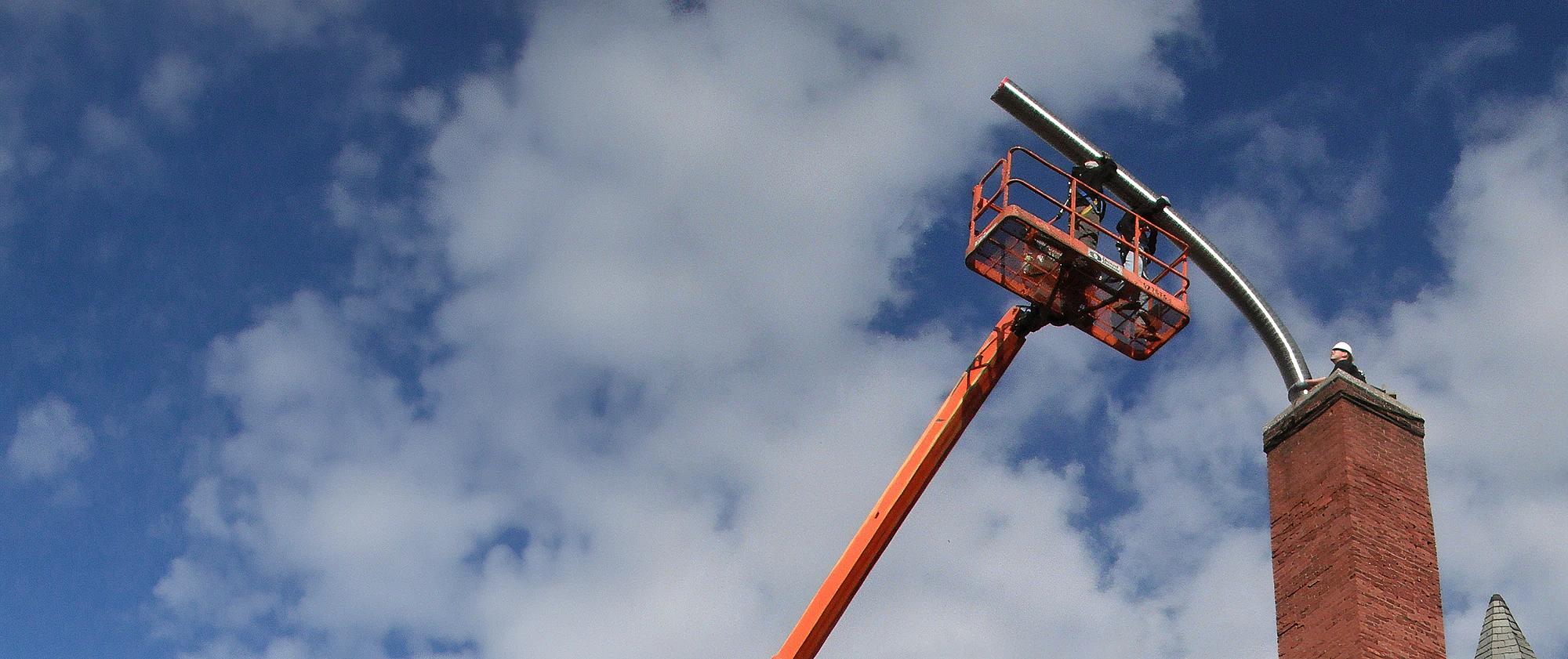
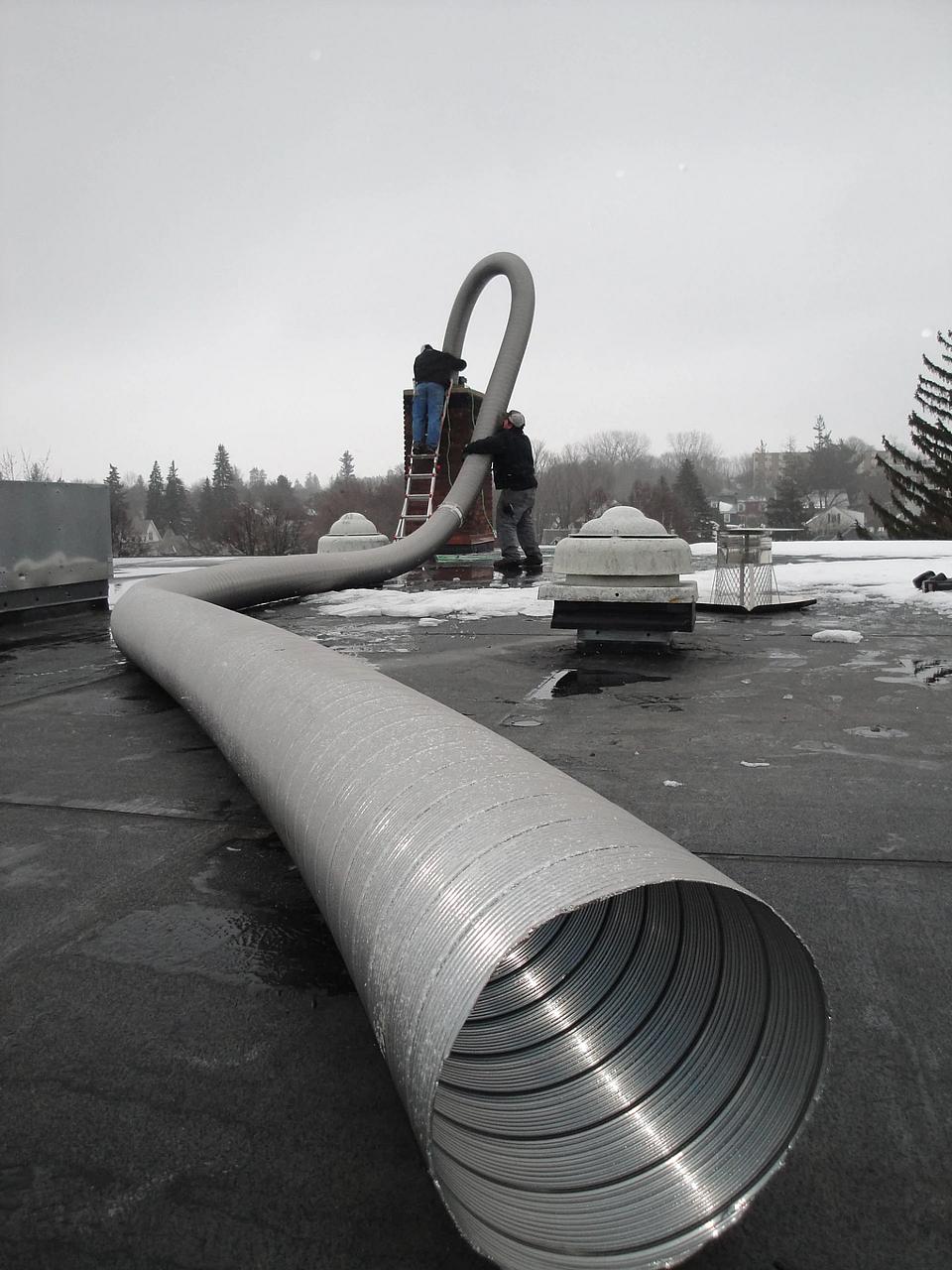
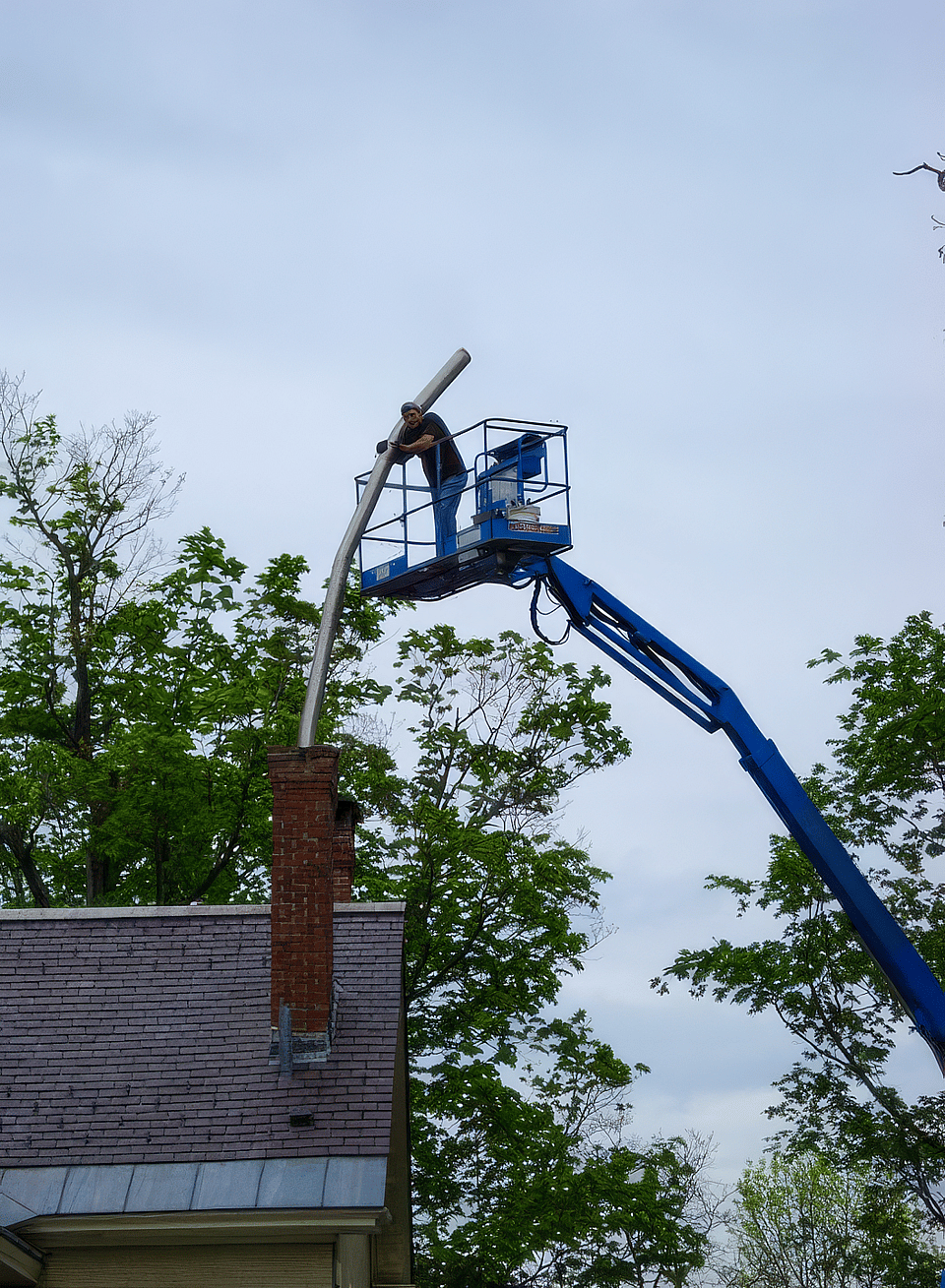
Durable metal liners are customized for wood, gas, oil, or pellet appliances, offering an ideal upgrade when clay tiles crack or deteriorate.
 02
Poured directly into the existing flue, this seamless insulated liner strengthens older masonry while improving overall draft and performance.
 03
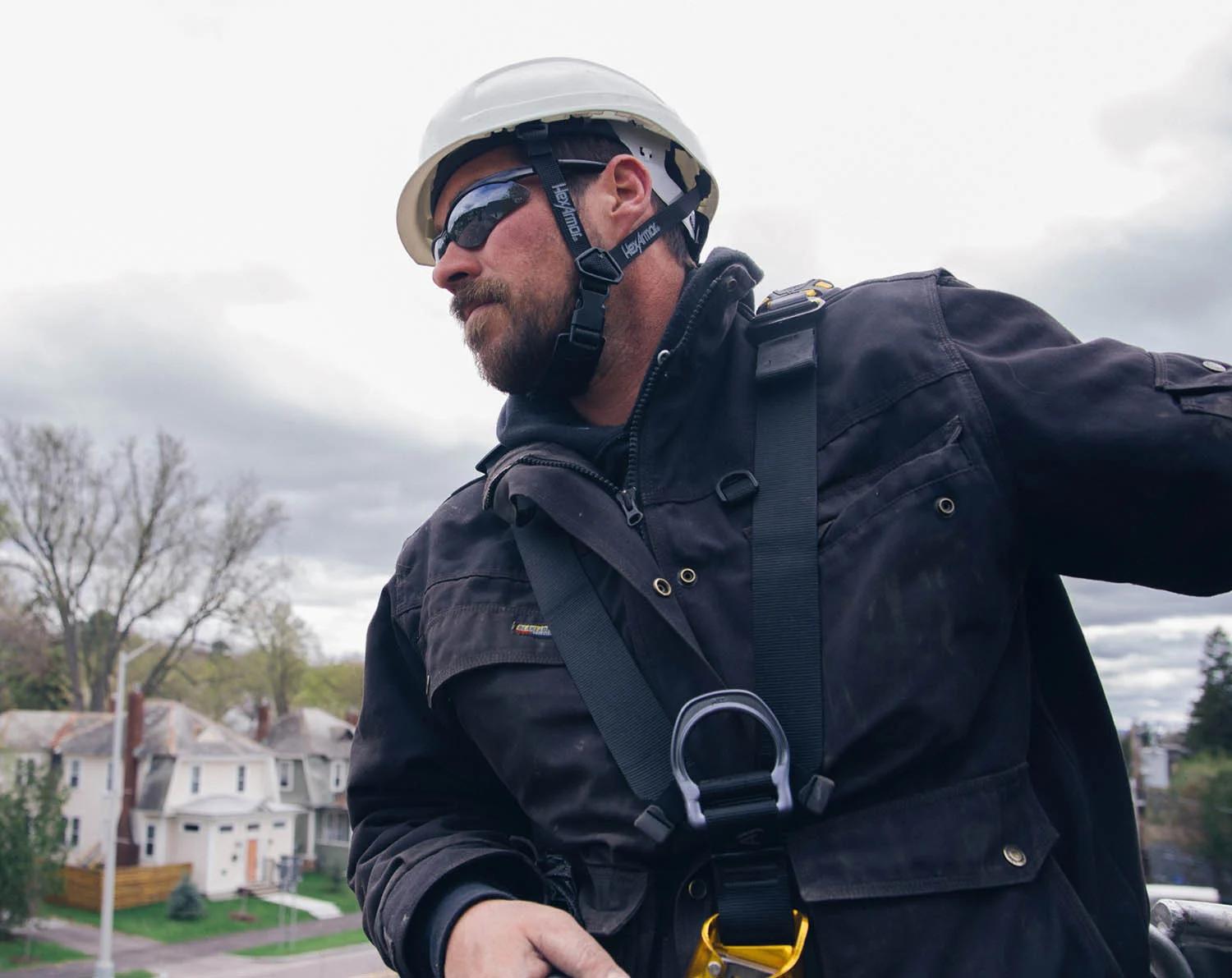
For moderate tile damage, ceramic resurfacing coats and targeted joint repairs restore damaged clay flues without complete system replacement.
Venting performance depends on exact liner dimensions and proper material selection. Trained technicians install each system to satisfy building codes and exact operational standards.
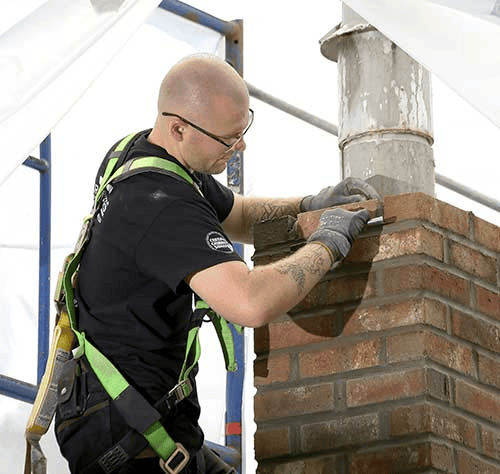
Call or request an appointment; we'll plan an onsite evaluation.
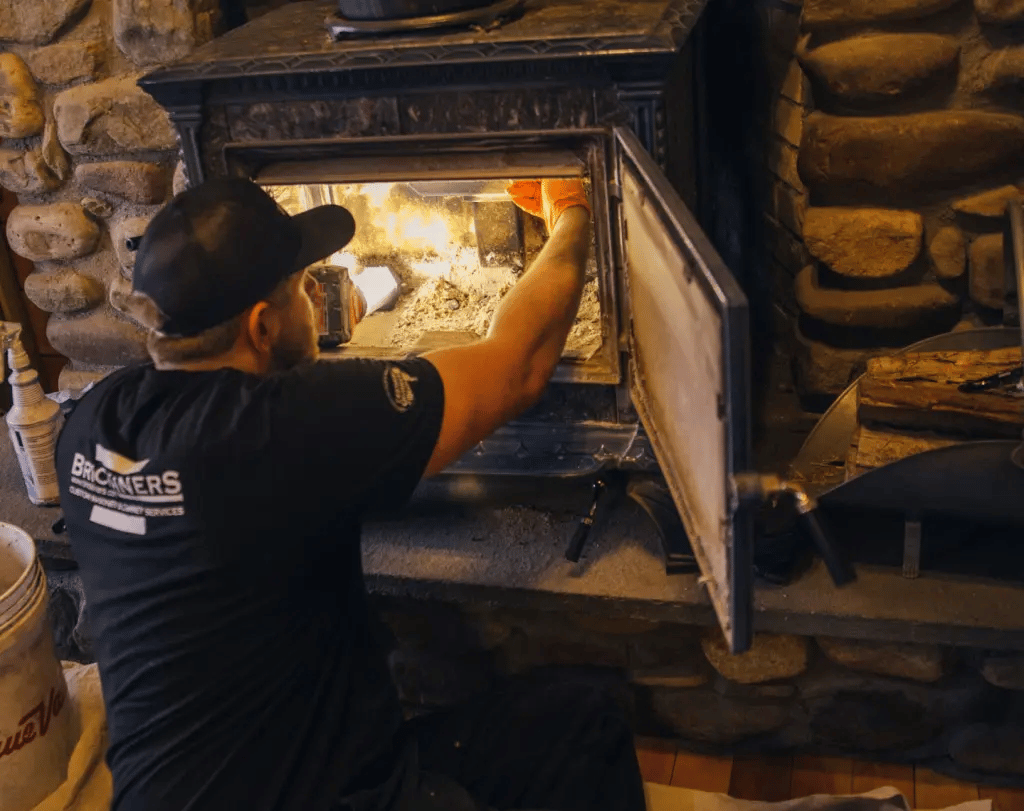
A CSIA-certified tech scans the flue, confirms damage, and matches material to your appliance.
Professional liner or HeatShield® work with high-temp insulation and a safety test.
Good to know
Without a liner, the heat and exhaust from every fire come into direct contact with your chimney's brick and mortar. Masonry alone was never designed to contain combustion, and the problems build with each burn season. When Brickliners' CSIA-certified technicians find an unlined chimney, we walk homeowners through the risks it creates:
If your chimney is unlined, we'll recommend holding off on fires until chimney relining is complete.
Not every chimney has a liner, and older homes are the most likely to be missing one. Before liners became standard building practice, many masonry chimneys were built with brick alone, and we still find unlined flues in historic homes throughout Winooski, Charlotte, Hinesburg, and surrounding towns. Other chimneys were lined at one point, but decades of heat and freeze-thaw cycles have left the original clay tiles so cracked or separated that they no longer do their job. Factory-built chimneys are a different case, with a metal flue built into the system, though those components can still corrode or fail over time. Homeowners usually can't tell by looking up from the firebox. During an inspection, Brickliners' CSIA-certified technicians run a camera through the full flue to confirm whether a liner exists and what condition it's in. We then explain whether repair, HeatShield® resurfacing, or chimney relining makes sense.
Most chimney relining projects wrap up faster than homeowners expect, but the timeline depends on the liner material, the chimney's height and condition, and how much prep work the flue needs. We'll give you an estimate after our inspection and keep you updated if anything changes.
Every project ends with a final test to confirm proper draft and venting before you light your first fire.
Liner costs vary considerably because every chimney is built differently. Rather than quoting a number sight unseen, Brickliners provides upfront pricing after our CSIA-certified technicians inspect your flue and confirm what it actually needs.
What affects the price:
Ways to keep costs down:
We'll walk you through every option, and we never push a full chimney relining when a repair will do the job.
Brickliners stands behind its liner work with clearly defined warranties, something many chimney companies don't offer. Your coverage depends on the solution your chimney needs:
Those warranties reflect the care that goes into every installation. Each liner we install is sized to your appliance, insulated where needed, and tested before we leave. Our CSIA-certified technicians will explain exactly what your warranty covers and how long it lasts. We'll also explain how annual inspections and sweeps help protect your investment over time. Ask us for the full warranty terms along with your estimate so you know what to expect.
Gas and wood-burning appliances produce very different exhaust, so the liner has to match the fuel. Choosing the wrong one can lead to corrosion, poor venting, or carbon monoxide entering your home.
Wood-burning fireplaces and stoves:
Gas fireplaces and inserts:
Stainless steel works with most fuel types, which makes it a flexible choice if you ever switch. Our CSIA-certified technicians confirm your appliance's requirements before any chimney relining begins.
Why Us
We deliver peace of mind with every visit.
Highest standard of training.
Trusted across three states.
No surprises, no upselling.
Seeing what you can't.
Treating your home like ours.
20+
Years serving the Northeast
3
States: VT, NH & ME
CSIA
Certified technicians
2006
Family-owned since
Testimonials
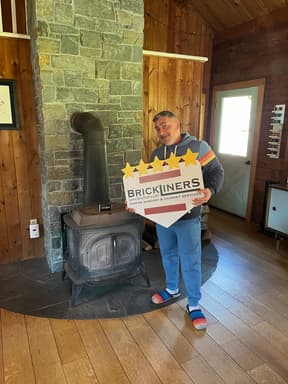
"Brickliners did a great job installing stainless liners in my chimney. They provided a range of options so I could choose what worked best. Evan and Keagan were especially helpful. Thanks!"
Tyler, Google
"Technician Rob communicated very well, was punctual and did a thorough inspection, providing photos and plain English explanations. A written summary was provided the sane day, as well as an itemized quote for repairs. Highly recommend Brickliners in Littleton, NH,"
James Clark, Google
"Tyler from Brickliners came to our home last week. Tyler inspected our fireplace, gave us some suggestions on how to use our system more effectively and cleaned our unit. Tyler was thorough and professional. This was our first time using Brickliners. We were very pleased and expect to use their services from now on,"
Aileen Lopez, Google
Industry Credentials
Coverage
We install and repair chimney liners across Vermont, Maine, and New Hampshire, serving chimney relining needs in Burlington, South Burlington, Shelburne, Colchester, Jericho, Charlotte, Essex Junction, Fairfax, Hinesburg, Underhill, and more.
Grand Isle County
Chittenden County
Lamoille County
Caledonia County
Addison County
Burlington, VT: (802) 872-0123
Cumberland County
Sagadahoc County
Androscoggin County
Lincoln County
Knox County
York County
Portland, ME: (207) 572-1071
Coös County
Grafton County
Carroll County
Sullivan County
Merrimack County
Belknap County
Littleton, NH: (833) 439-3288
Insights
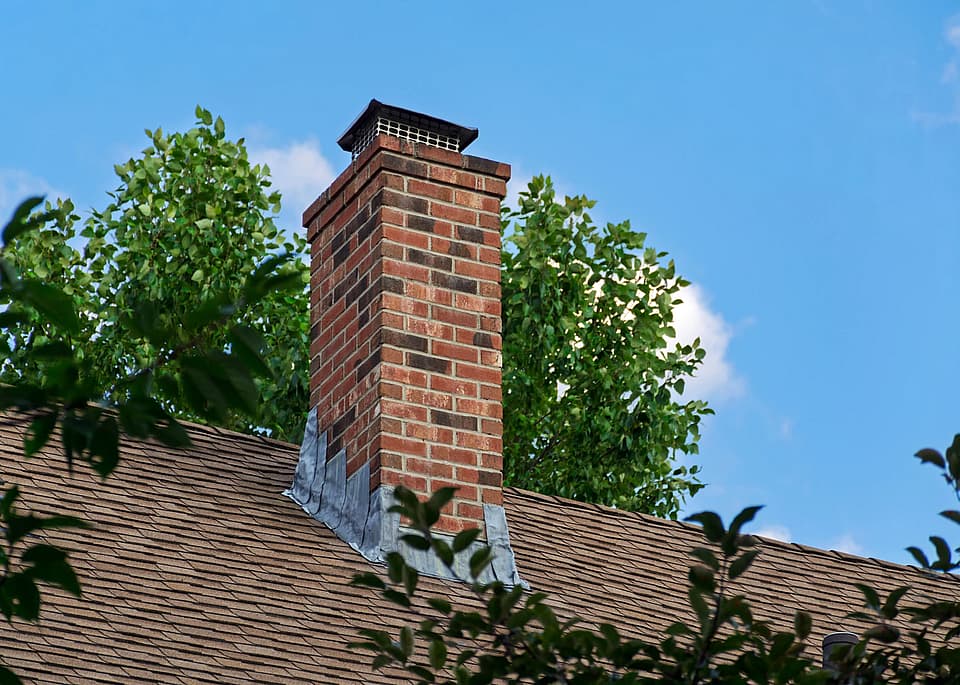
Learn why chimney flashing is essential to prevent leaks and structural damage.
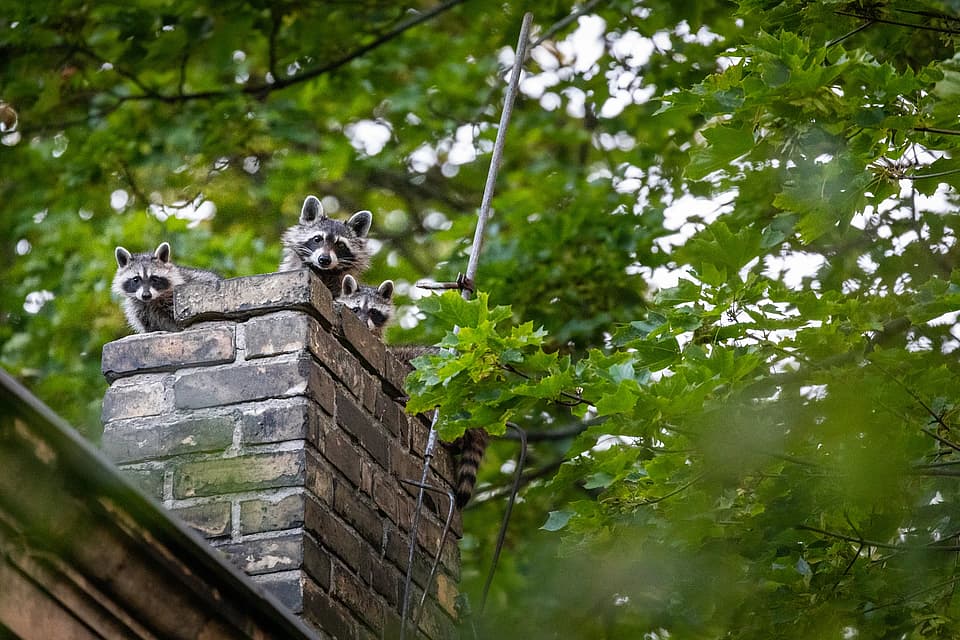
Chimney odors can signal problems. Learn what they mean and how to fix them.
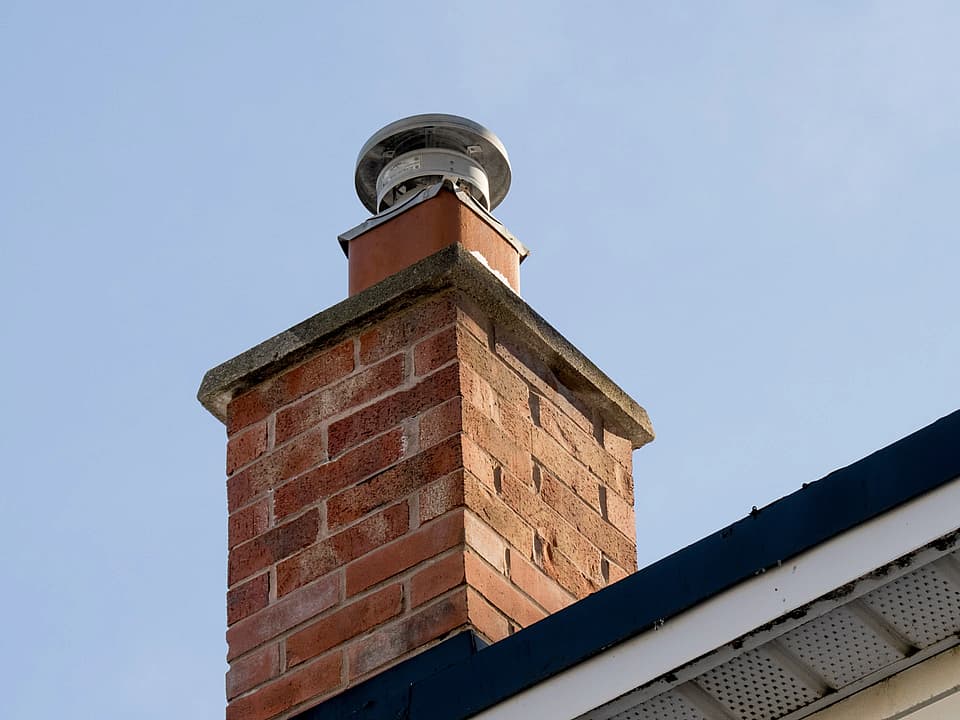
Discover key signs it's time to call a chimney sweep. Learn how to protect your home from smoke, creosote, odors, and chimney damage.
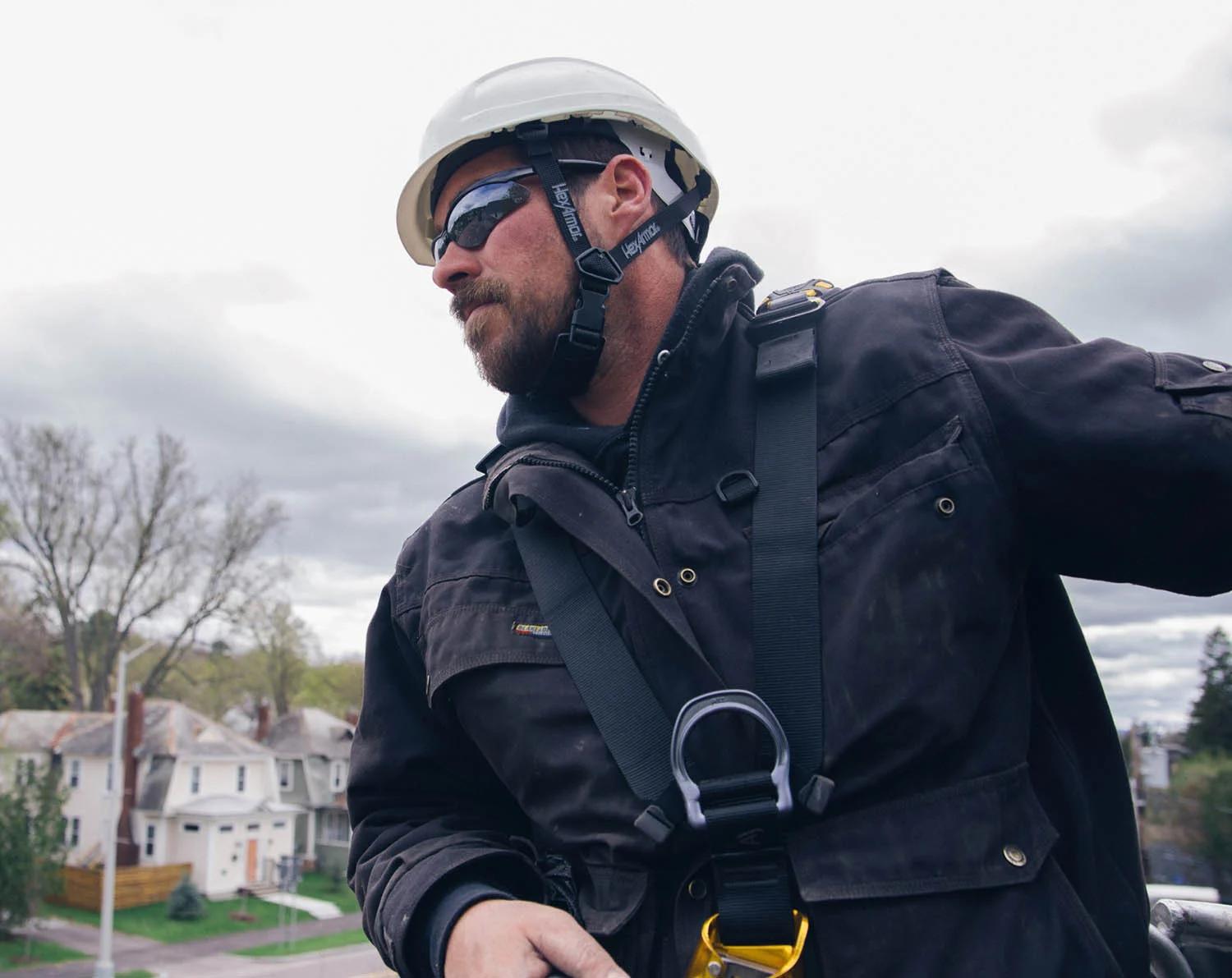
Contact Our Team
When you invest in chimney relining, you want to know it will last. Brickliners backs stainless steel liners with a lifetime warranty and HeatShield® resurfacing with a 20-year limited warranty, so your protection extends well beyond the first burn season. Homeowners in South Burlington, Charlotte, Jericho, Hinesburg, Colchester, and Winooski rely on us for work we stand behind. Skip the guesswork and schedule your inspection today.
The right liner makes a chimney system work the way it should. Our services extend that to fireplace installation for local homeowners ready to add something new.