
Your chimney works throughout the burn season to keep your fire going and the smoke venting, but it also works through the summer too. The damper keeps critters and drafts from coming in and keep conditioned air from going out. The cap, flashing, and crown keeps rainwater out, protecting your chimney and home from water damage.
When something is wrong with the chimney system, it may take a while for the homeowner to notice because most of your chimney system is hidden from the eyes. Many homeowners don't even know what to look for.
What Are Common Causes of Chimney Odors?
At Brickliners, we commonly get calls about chimney and fireplace odors throughout the summer months. This is because summer humidity and barometric pressures push air into the chimney, down your fireplace, and into your house. When you smell chimney odors, it is never a good sign. In fact, chimney odors always indicate a problem with the chimney system.
The Smell: Barbecue/Smoke
The biggest complaint we get from homeowners during summer is the smell of a dirty barbecue grill or well-used smoker. Even with the fireplace doors and damper closed, a dirty chimney can take over your living space with overwhelming smoky and barbecue smells.
What's the cause?
Odors of smoke and barbecue are actually caused by a chimney and fireplace that is filled with soot and creosote. A simple chimney sweep will clear away all the creosote, soot, and ash that are causing the foul odor in your chimney.
The Smell: Mold/Mildew
The smell of mold or mildew coming from the chimney system is caused by nothing other than a chimney leak. Not only is your chimney leaking, but for these odors to be present in your home, the chimney leak has to be present long enough to allow bacteria and spore growth. By the time the odor is present and noticeable, there is likely already hidden damage in your chimney system.
What's the cause?
If you smell mold or mildew coming from your fireplace, your system needs a professional inspection and likely repairs too.
The Smell: Foul/Decomposition
The unmistakable odor of decomposition is unsettling. When it occurs in the home, you might first suspect a dead rodent of some kind. It doesn't always mean a dead animal is in the chimney.
What's the cause?
When any organic material decomposes inside the chimney, it will produce odors of decomposition. This includes leaves, wood, twigs, feathers, animal droppings, and more.
The Smell: Ammonia/Pet Urine
A sharp, pungent ammonia smell coming from your hearth can easily be mistaken for a pet having an accident indoors. However, if the odor is concentrated around the fireplace, it points directly to an active wildlife issue inside the chimney flue.
What's the cause?
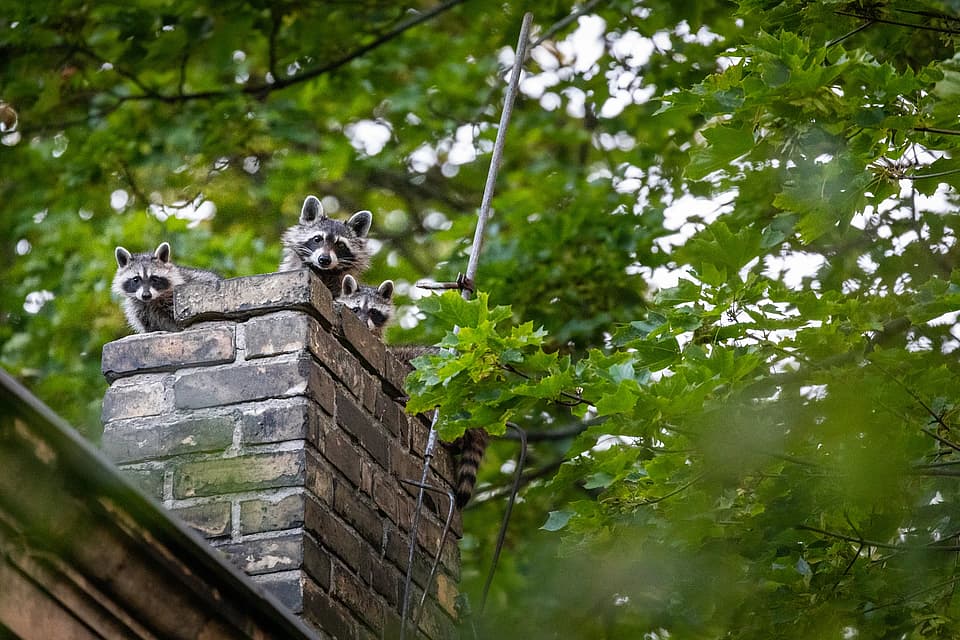
This odor is caused by animal waste accumulation, specifically from birds (such as chimney swifts), bats, raccoons, or squirrels roosting or nesting in the flue. The droppings and urine collect on the smoke shelf or liner, creating a strong ammonia scent that intensifies with heat and humidity. A professional cleaning and installation of a secure chimney cap are needed to resolve and prevent this.
The Smell: Rotten Eggs/Sulfur
A strong rotten egg or sulfur smell emanating from or near your fireplace is an urgent issue that requires immediate attention and caution.
What's the cause?
If you have a gas fireplace, this is the distinct scent of mercaptan added to natural gas or propane, signaling a dangerous gas leak. In a wood-burning chimney, sulfur odors can also occur when coal or low-grade heating fuels are burned, or when heavy creosote reacts with trapped stagnant water on the smoke shelf. If you suspect gas, evacuate the home immediately and contact your utility provider before inspecting the chimney.
The Smell: Tar/Asphalt
Homeowners often describe this odor as smelling like fresh road paving, a newly tarred roof, or chemical burnt plastic wafting into the living room.
What's the cause?
This strong chemical scent is caused by Stage 3 (glazed) creosote. Unlike flaky soot or crunchy Stage 2 creosote, Stage 3 is a dense, concentrated tar-like layer baked onto the flue walls. In hot weather, this glazed creosote softens and off-gasses powerful industrial odors. Glazed creosote is extremely flammable and cannot be removed with a standard chimney brush; it requires specialized chemical treatment or professional rotary cleaning.
The Smell: Damp/Musty Earth
Different from the sharp tang of mold spores, this odor smells like wet soil, stagnant basement air, or a damp cave blowing through your firebox.
What's the cause?
This is typically caused by negative air pressure pulling humid outdoor air past a deteriorated, unsealed flue tile or down through a compromised chimney chase. When warm, humid air mixes with long-settled masonry dust, clay liner fragments, and minor moisture in the smoke chamber, it creates a persistent damp, earthy odor indoors. Sealing air leaks and installing a top-sealing damper can help balance air pressure and block the downdraft.