CSIA Certified Technicians
Highest standard of training.

Home > Services > Chase Covers
Chase Covers
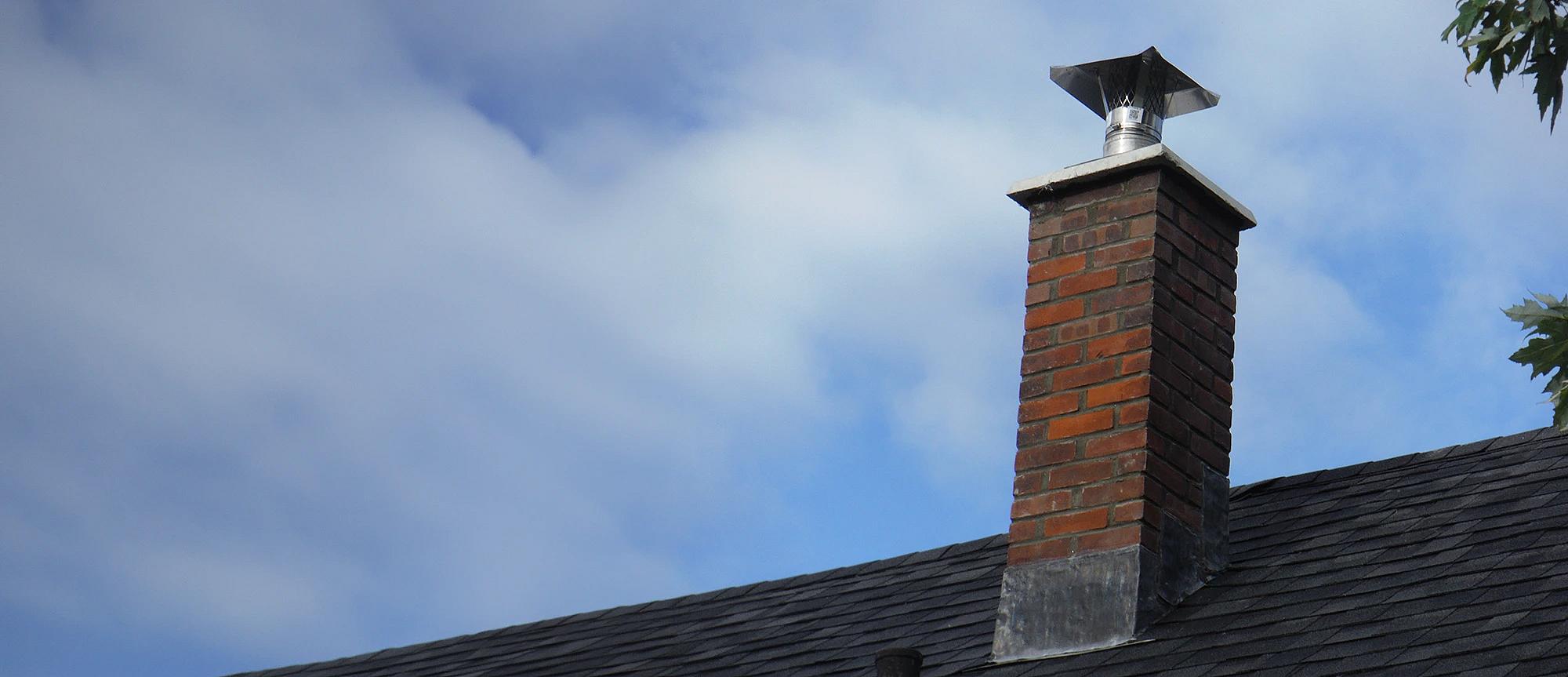
Across Burlington, Hinesburg, Essex Junction, Jericho, Fairfax, and surrounding communities, many homes and additions include factory-built fireplaces with prefabricated chimneys. Each one depends on a chase cover, the metal panel that seals the top of the chimney enclosure and sheds water away from it. Brickliners specializes in chase cover replacement, helping local homeowners keep their prefab chimneys dry, sound, and working properly.
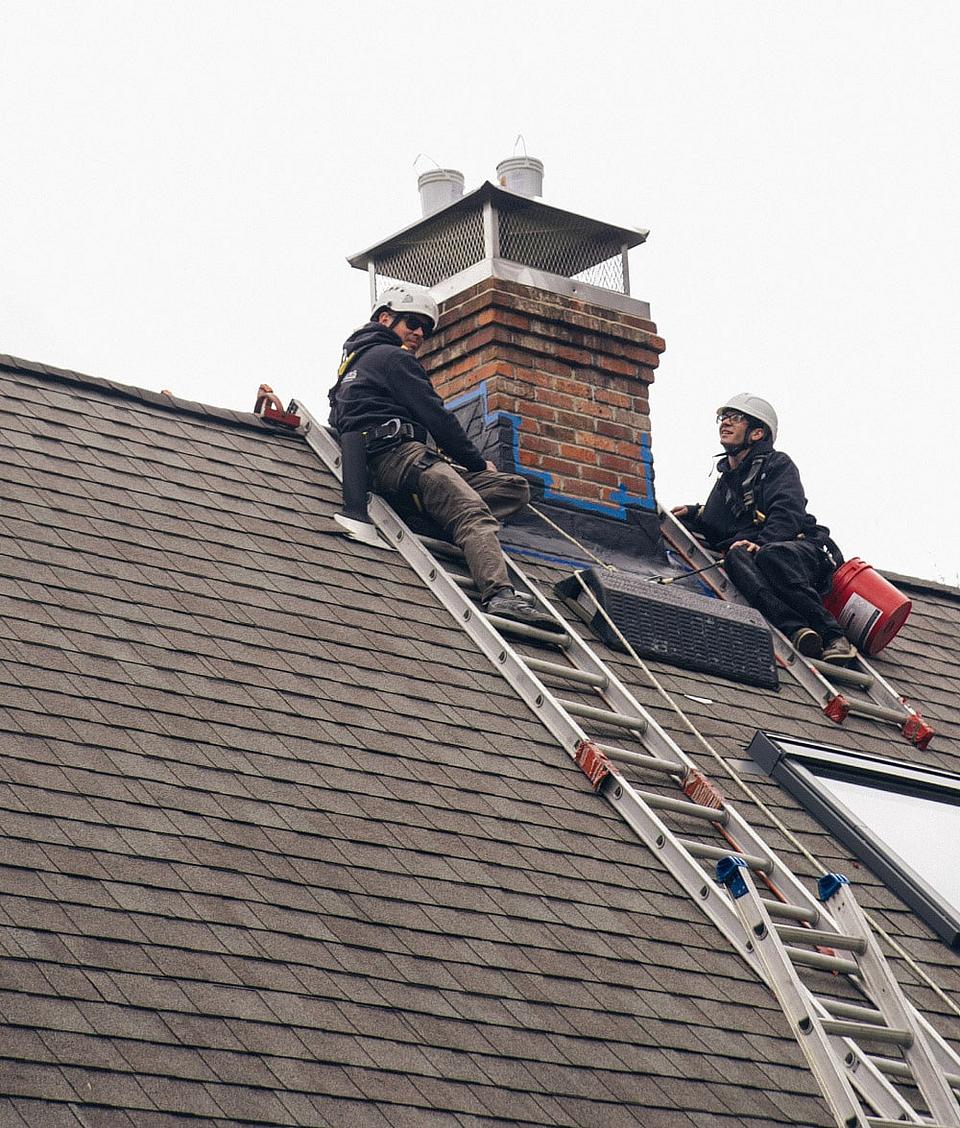
A custom chase cover plus a thorough chimney sweeping visit gives you a clearer picture of the flue and a cover built to shed Northeast weather.
Moisture Defense
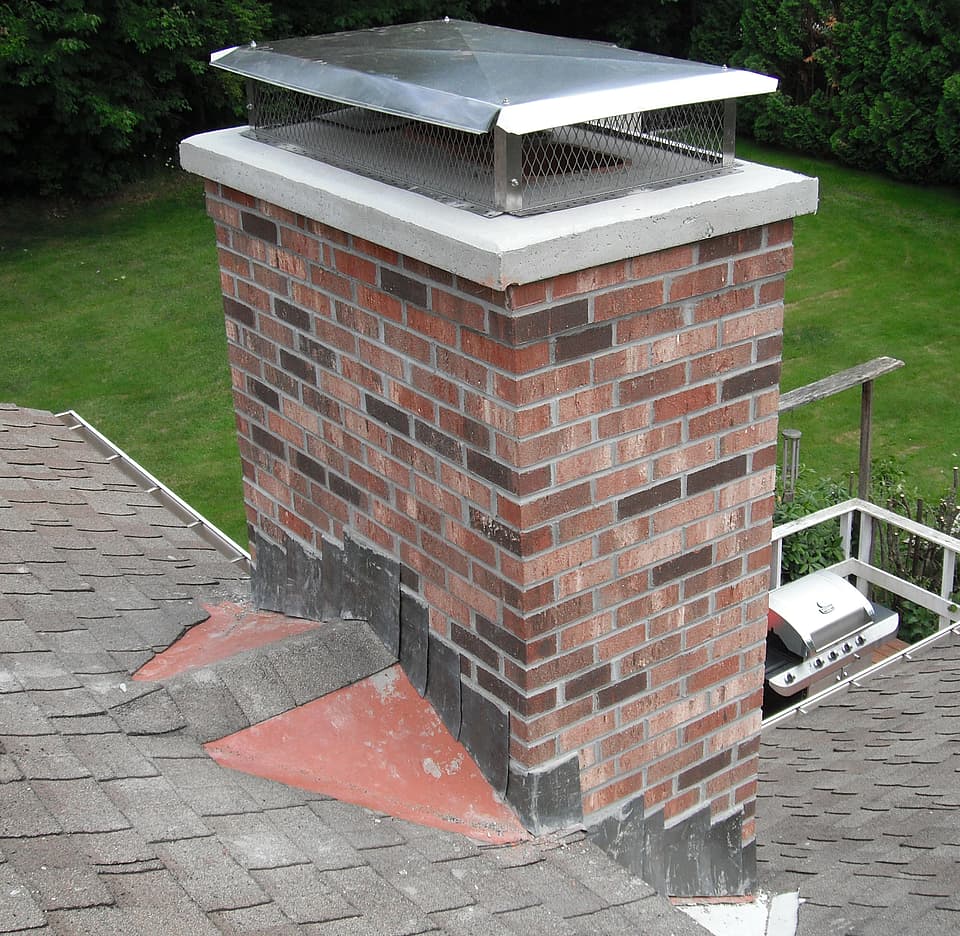
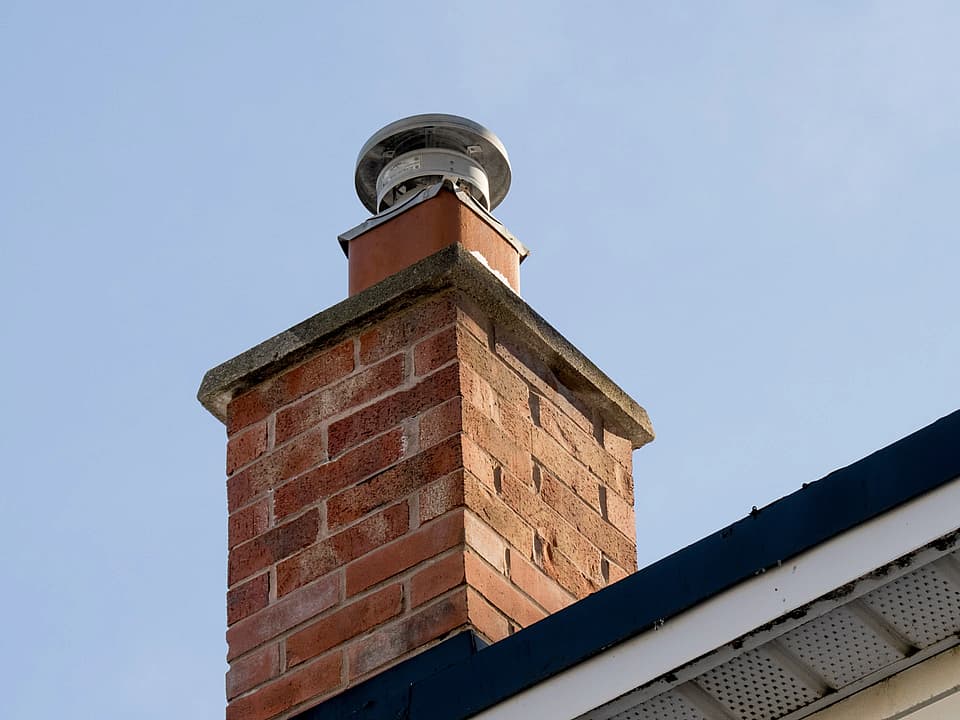
A chimney chase cover is the metal panel that sits on top of a prefabricated chimney. It seals the wood-framed enclosure, or chase, that surrounds the metal flue. It does the same job a concrete crown does on a masonry chimney, keeping rain, snow, and debris out of the structure below. The flue passes through an opening in the center of the cover, where a storm collar seals the gap and a chimney cap sits over the flue itself. The chase cover protects the enclosure, the chimney cap protects the flue opening, and both need to be in good condition to keep water out.
The cover closes off the framed enclosure so rain and snowmelt can't fall into the space around the flue.
A sloped, cross-broken cover directs water off the edges instead of letting it pool and corrode the metal.
Keeping moisture off the flue prevents rust and holes that could let heat or exhaust escape into the chase.
A sound cover prevents rotting wood, soaked insulation, and mold inside the enclosure.
The chase cover and storm collar seal around the flue, while the chimney cap above it blocks rain, animals, and debris from entering the flue opening.
A tight-fitting cover keeps birds, squirrels, and leaves from getting into the chase.
Stopping water at the top limits rust on the firebox, damper, and other fireplace components.
A rust-resistant cover prevents the corrosion streaks and water damage that often appear on chase siding.
Repair Options
Some chase cover problems can be repaired, but many call for full replacement. Rust is usually the deciding factor. A loose cover, worn sealant, or damaged storm collar can often be fixed without removing the panel. Once corrosion sets in, though, patches rarely hold because rust keeps spreading beneath the surface while water continues to reach the chase. The chase cover and chimney cap work together to keep moisture away from the flue, so Brickliners' CSIA-certified technicians inspect both before recommending a fix.
Usually repairable. High winds can shift a cover, and re-anchoring it along the sides restores a secure fit.
Usually repairable. Resealing or replacing the collar around the flue stops water from slipping past the opening.
Repairable on its own. If the chase cover is sound, replacing the chimney cap restores protection over the flue.
Replacement recommended. Rust means the protective coating has failed, and prompt replacement keeps water away from the metal flue.
Replacement needed. Openings in the metal let water drip directly into the chase, and patches seldom last.
Replacement needed. A flat or sagging cover is a design flaw, and a sloped, cross-broken stainless steel model sends water off the edges instead.
How it works
 01
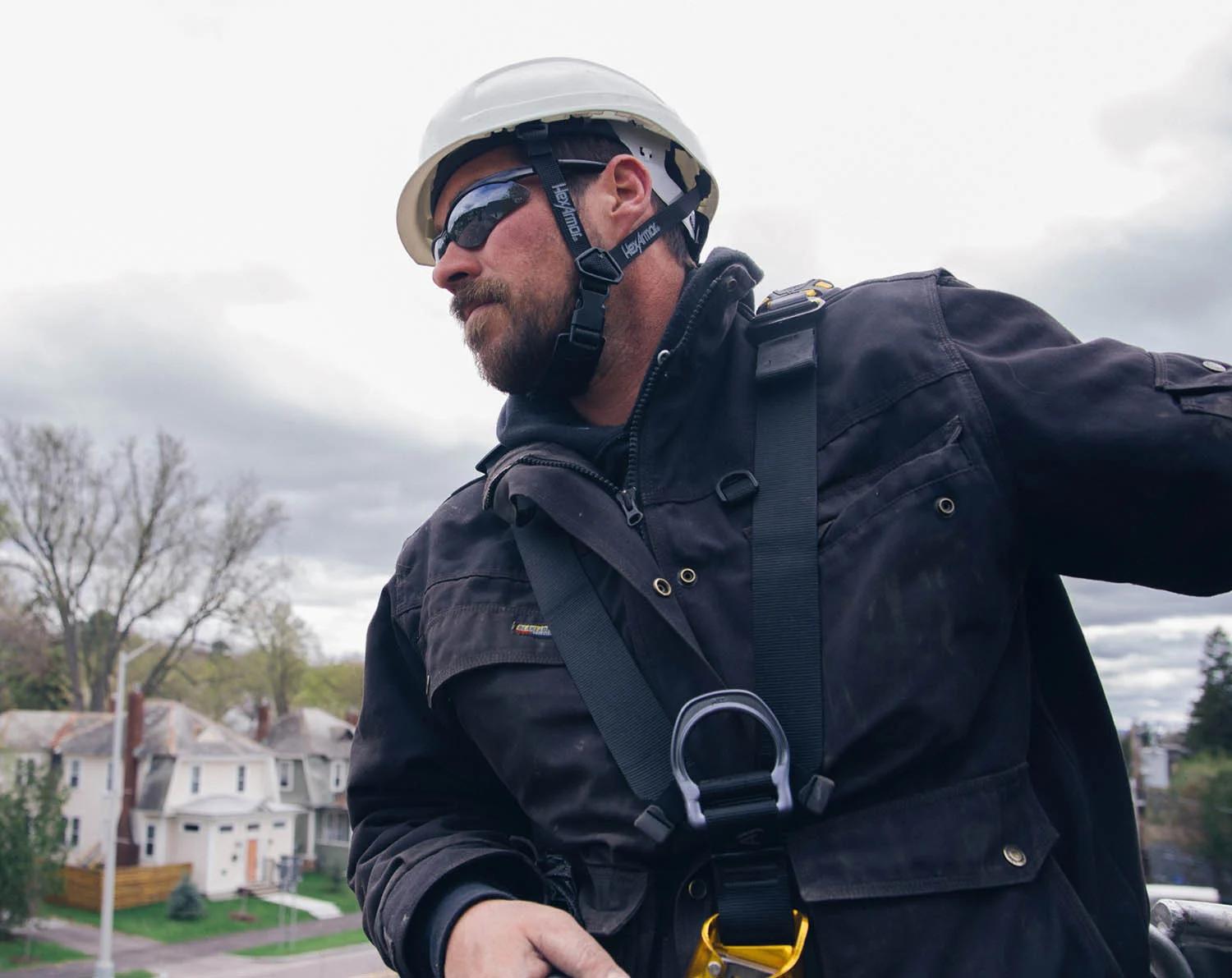
Technicians measure chase dimensions, examine terminations, and inspect flue lines using camera scanning to select chase covers matched to your specific system configuration.
 02
We construct tailored covers with correct drainage pitch, accurate flue openings, and suitable metals, offering clear breakdowns of material choices for your project.
 03
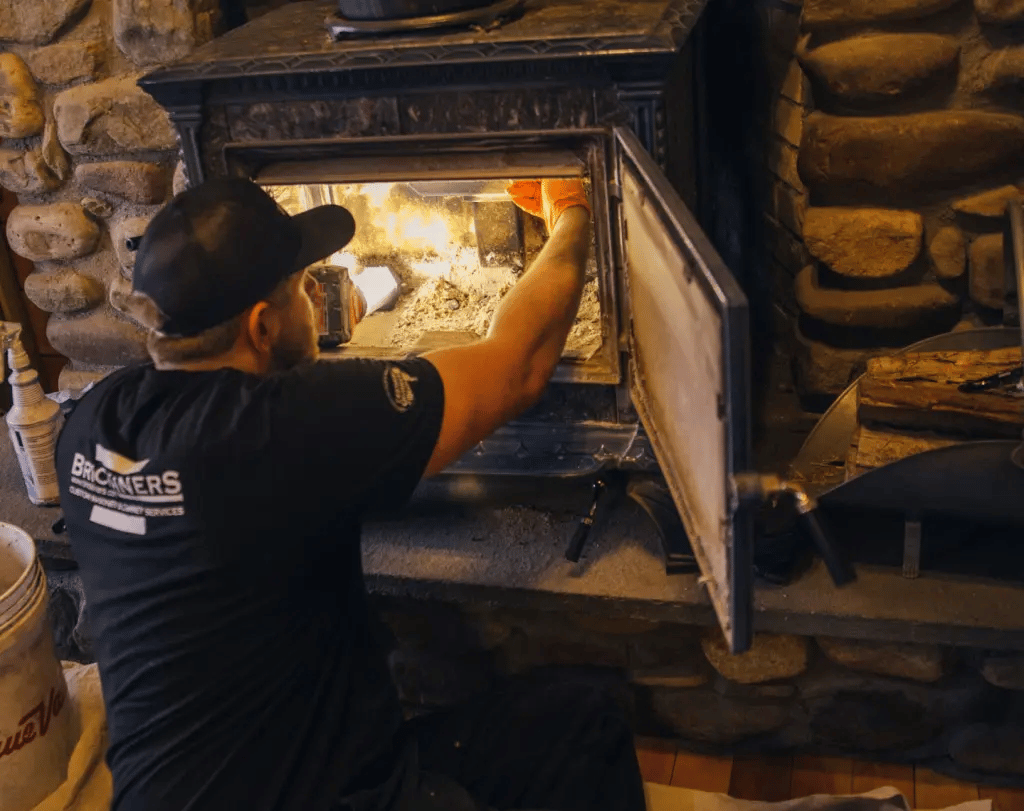
Technicians mount, seal, and finish the new cover, scheduling chimney sweeping to remove soot, creosote, or debris before operating your fireplace.
Not ready for an in-person visit? Ask about our Virtual Chimney Assessment which allows you to send photos for a general read on the chase and a price range. It's a helpful starting point, not a replacement for measuring on site.
Call or request an appointment online. We'll find a time that works.
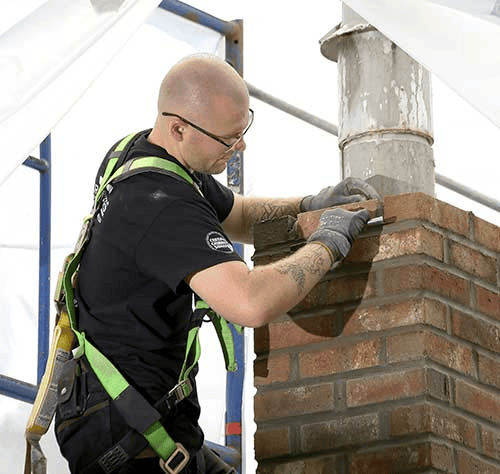
A CSIA-certified technician measures the chase and evaluates the flue.
You get a fitted cover, clear photos, and a straightforward plan, without upselling.
Good to know
Chase cover replacement costs depend on the size of your chimney chase, the material you choose, and the condition of what's underneath. Rather than quoting a price sight unseen, Brickliners provides upfront pricing after our CSIA-certified technicians measure your chase and check for hidden water damage.
Replacing a failing cover early is almost always less expensive than repairing the water damage it allows.
Water pooling on top of your chase cover usually comes down to its design. Many prefab chimneys are built with flat, builder-grade galvanized covers that have no slope to direct water off the edges. Rain and snowmelt settle in the center, and the thin metal can sag under snow loads over time, creating an even deeper low spot. Cross-breaks, the subtle X-shaped creases that stiffen the panel and help shed water, are often missing altogether.
Standing water is a problem because it never fully drains. It sits against the metal, speeds up corrosion, and eventually finds its way through seams, fastener holes, or rust spots into the chase below. Freeze-thaw cycles make it worse.
Brickliners replaces flat or sagging covers with sloped, cross-broken stainless steel models that send water off the edges and away from the chase, protecting the flue, framing, and insulation inside.
Rust stains streaking down your siding are one of the clearest signs your chase cover is failing. When water sits on a galvanized cover long enough, the protective zinc coating wears away and the steel underneath begins to corrode. Each rainstorm then washes rust off the edges and down the side of the chase.
The stains themselves are cosmetic, but the rust causing them isn't. By the time streaks appear, the cover may already have pinholes letting water into the chase. Brickliners can replace it with a rust-resistant stainless steel model.
Installing a chase cover might look like a straightforward swap, but it's a job Brickliners recommends leaving to professionals. A cover has to fit the chase precisely, seal around the flue, and shed water correctly, and small mistakes lead to leaks that go unnoticed for months.
Where DIY installs typically go wrong:
What a professional install includes:
Working on a steep or slippery roof also carries real risk without proper equipment. Our CSIA-certified technicians handle it all with upfront pricing.
Brickliners recommends having your chase cover inspected at least once a year, ideally as part of your annual chimney sweep or inspection. Because the cover sits high above the roofline, most homeowners can't see it from the ground, and rust or sagging often develops long before any symptoms appear inside. During each visit, our CSIA-certified technicians check the cover for corrosion, standing water, loose fasteners, and a worn storm collar, along with the cap and flue. Certain situations also call for a closer look between visits.
Catching early wear lets you replace the cover before water reaches the chase.
A rusted chase cover doesn't stay a small problem for long. Once corrosion opens pinholes or seams, every rain and snowmelt sends water straight into the chase, and the damage spreads beyond the cover.
Inside the chase:
At the flue and fireplace:
Throughout the home:
What begins as a simple cover replacement can turn into reframing, new siding, and a replacement flue or fireplace. Brickliners recommends replacing a rusted cover as soon as you spot it.
Why Us
We deliver peace of mind with every visit.
Highest standard of training.
Trusted across three states.
No surprises, no upselling.
Seeing what you can't.
Treating your home like ours.
20+
Years serving the Northeast
3
States: VT, NH & ME
CSIA
Certified technicians
2006
Family-owned since
Testimonials
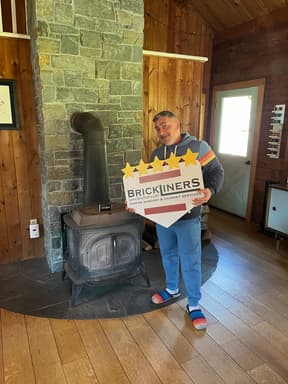
"Evan showed up on time with a smile and took care of business. Always a great experience!"
Max S., Google
"This company has never failed me! They've been here to my house many times and done many jobs and everything is always perfect. But it isn't just that. They really take so much pride in their work and are so kind and generous. I can't recommend this company enough,"
Kate K., Google
"Henry and the team were great! Professional, friendly, prompt, good communication,"
Jess M., Google
Accreditation

Coverage
We fabricate and install chase covers and provide chimney sweeping and masonry services across Vermont, Maine, and New Hampshire, serving Burlington, South Burlington, Shelburne, Colchester, Jericho, Charlotte, Essex Junction, Fairfax, Hinesburg, Underhill, and more.
Grand Isle County
Chittenden County
Lamoille County
Caledonia County
Addison County
Burlington, VT: (802) 872-0123
Cumberland County
Sagadahoc County
Androscoggin County
Lincoln County
Knox County
York County
Portland, ME: (207) 572-1071
Coös County
Grafton County
Carroll County
Sullivan County
Merrimack County
Belknap County
Littleton, NH: (833) 439-3288
Insights
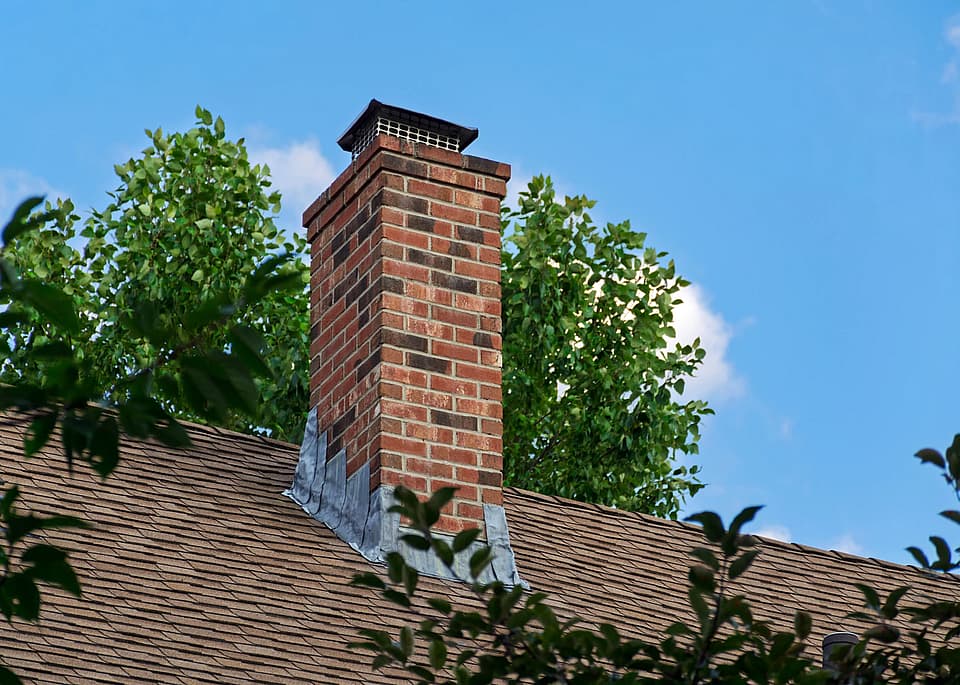
Learn why chimney flashing is essential to prevent leaks and structural damage.
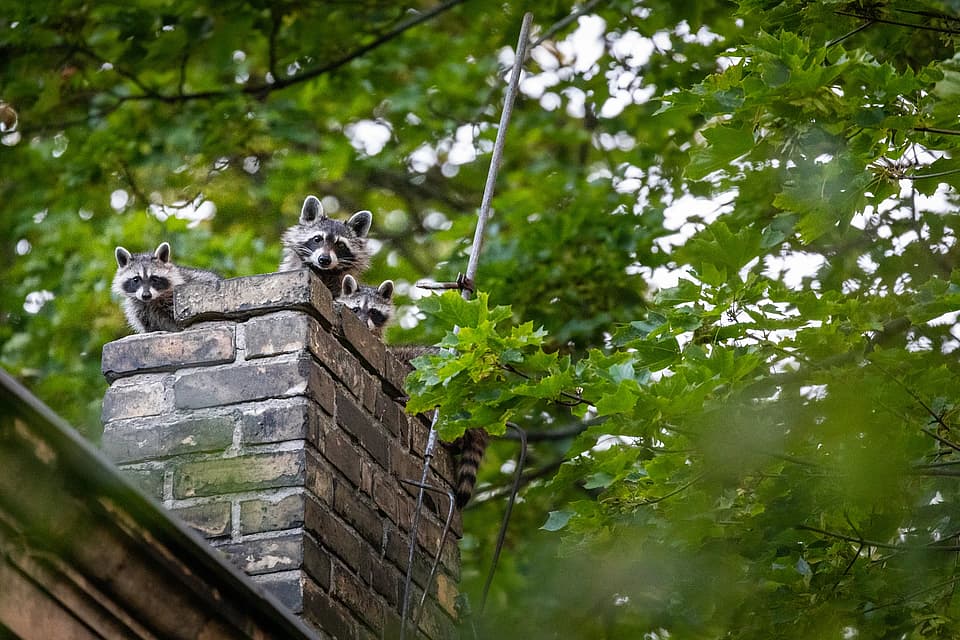
Chimney odors can signal problems. Learn what they mean and how to fix them.
Discover key signs it's time to call a chimney sweep. Learn how to protect your home from smoke, creosote, odors, and chimney damage.
Contact Our Team
Not every chase cover problem calls for a new panel. A loose cover or worn storm collar can often be fixed, while rust and sagging usually mean replacement. Brickliners' CSIA-certified technicians inspect the cover, collar, and chimney cap together, then recommend only the work your chimney needs. You'll get upfront pricing and no upselling. Give our team a call for a straight answer.
Keeping moisture out of a local chimney takes more than one solution. Our leaky chimney repair services include waterproofing for homeowners who want comprehensive coverage.