
When it comes to your fireplace, you want to have a warm, safe, and pleasant experience. A smoky fireplace is not pleasant. Burning more wood than you have to is not either. It's important to burn the right type of wood in your fireplace keeps your fire burning hotter. Properly seasoned wood keeps your chimney working properly, and keeps your family safe.
What Is Properly Seasoned Wood?
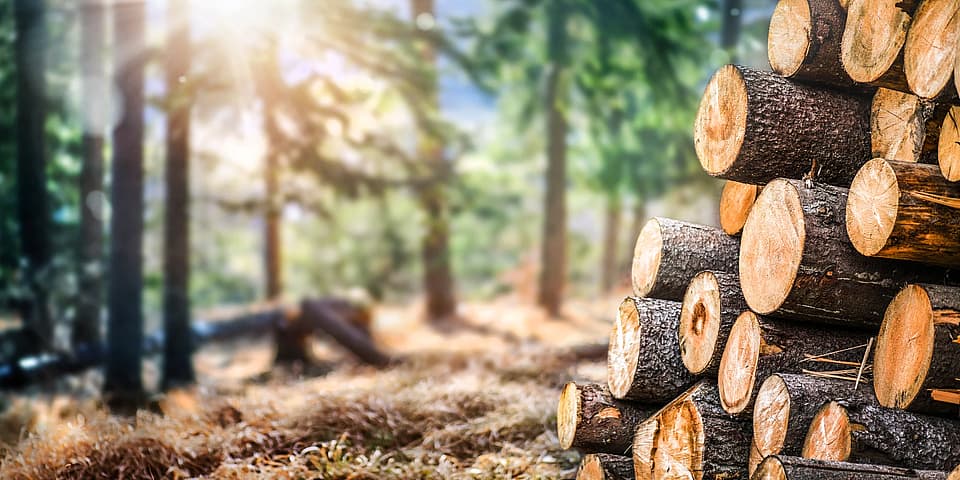
Wood is properly seasoned when it only has 20 percent water content. When trees are cut down, they are filled with water 50 to 75 percent. This wood is considered wet, or green. In order to season properly, the wood should be cut into the lengths appropriate for your fireplace. The water is stored inside the trees in long tubes, and if these tubes aren't cut into pieces, this water will not dry. Cutting the tree allows for air to circulate around the wood, helping with the drying process. As it dries, you can check it for the following signs for dryness: graying in color, pulling from bark, cracking (or checks) on edges, sound hollow when hit together, burns easily and warm.
What Happens if I Burn Wet Wood?
When you burn green or wet wood, you put your chimney through more work than necessary. The wood doesn't burn as easily, is harder to maintain high temperatures, and makes it more difficult for smoke to rise up the chimney. Additionally, green wood releases more creosote than seasoned wood, resulting in more frequent chimney sweeps for the homeowner. It can cause smoky chimneys, lower heat output, and releases more particulate pollution into the air contributing to environmental concerns.
How Do I Know if My Wood Is Seasoned?
Seasoned firewood generally has a moisture content below 20%. Beyond visual appearance, the sound of the wood, and how it burns, several other sensory indicators and practical tests will tell you if your wood is ready:
- Weight: Freshly cut green wood is dense and heavy because it is saturated with sap and water. Seasoned wood feels surprisingly light for its size when you pick it up.
- Scent: Fresh green wood smells strongly of fresh sap and living wood, whereas seasoned firewood has only a faint, clean woody aroma or almost no smell at all.
- Bark Condition: While loose bark is a clue, well-seasoned wood often loses its bark entirely. If bark remains, you should be able to peel it off easily with your fingers with no sap or moisture trapped underneath.
- End-Grain Splits: Beyond surface checks, seasoned wood features deep radial cracks extending inward from the outer edge toward the heartwood at the cut ends, resembling spokes on a wheel.
- No Hissing or Smoldering: When placed in an existing bed of coals, properly dried wood will catch flame within minutes without whistling, hissing, boiling sap from the ends, or billowing thick smoke.
The most objective method is using an inexpensive digital moisture meter. Split a log down the middle and press the meter's pins firmly into the center of the freshly exposed interior face. A reading under 20% means it is ready for safe, efficient burning.