
Most of us don't think a lot about our dryers. It's a machine that serves the purpose of drying our laundry, day after day. Have you ever thought where all the lint build up actually goes beyond the vent? We clean out the lint trap and think that's enough. But it's not! Your lint is like a ticking time bomb.
Many people feel no need to worry about lint because they clean their filter after every drying cycle. The fact is, fine particles are constantly making it through to your vents, and if those vents are clogged you put your home in a dangerous situation.
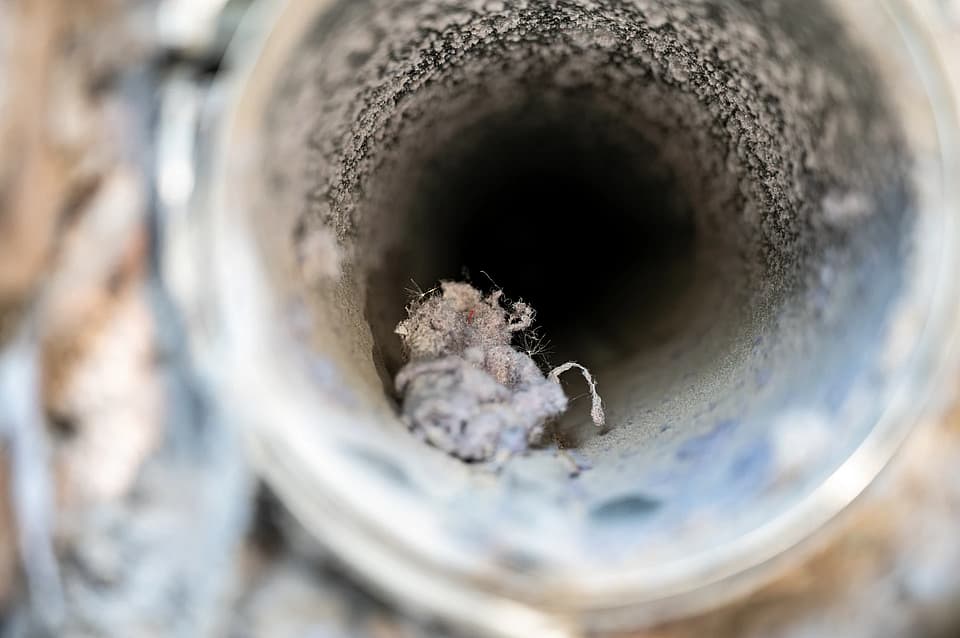
Lint is a highly combustible material that can accumulate both in the dryer and in the dryer vent. Lint builds up on the inside of the vent that exits your home, preventing the dryer from exhausting properly. Ultimately, this can cause your dryer to catch on fire.
You can prevent dryer fires by having your dryer vent inspected and cleaned every couple of years. Around 2,900 dryer vent fires in residential buildings are reported each year. Five deaths occur each year, with an estimated 100 injuries resulting from these fires. $35 million in property loss will result each year, due to this cause. Don't let this be you!
Dryer Ducts Must Be at Least 4 Inches
According to manufacturer's specifications and local codes, dryer ducts must be a minimum 4” in diameter and at least as large as the dryer outlet. A smaller duct restricts airflow and lets lint collect inside the vent.
Exhaust Ducts Should Stay Within 25 Feet
Unless otherwise specified by your dryer's manufacturer or local code, the developed length of your dryer's exhaust duct should not exceed 25 feet. When determining developed length, each 90º turn adds 5 feet to the actual length. Extra length and sharp turns make it harder for the dryer to push lint and moist air outside.
Dryer Vents Must End Outdoors
Dryer vents shall be independent of all other systems and terminate outdoors, not into a chimney, crawl space or attic. Exhaust that ends indoors can push lint and moisture into the home.
Use a Backdraft Damper
Your outside dryer exhaust vent's termination hood should be equipped with a back draft damper to ensure that the exhaust doesn't come back in your home. The damper lets moist air leave and helps keep it from flowing back inside.
Use a Metal Transition Duct
Metal transition ducts should be used between the dryer and the exhaust duct. That short metal connection is the proper link from the dryer to the vent run.
Keep Flexible Ducts Out of Hidden Spaces
Flexible transition ducts should never be used in an attic, a crawl space, or inside a wall. Lint can collect in those hidden runs where it is hard to see.
Look for the CSIA Dryer Exhaust Credential
The CSIA Certified Dryer Exhaust Technician credential is the only nationally-recognized credential of its kind. It identifies technicians trained to clean and inspect dryer exhaust systems.
Signs Your Dryer Vent Needs Cleaning
Clothes take longer to dry
Moisture builds up in the laundry room
A musty smell in the laundry room
Lint shows around the outside vent
Little air comes out of the outside vent
The laundry room feels hotter than usual
A burning smell while the dryer runs
Lint builds up inside the dryer past the trap